
How vegetarianism affects breastfeeding
There have been many studies around the world examining how a mother's diet affects the composition of milk. As it turns out, vegans, vegetarians and meat eaters all produce milk that is almost identical in composition. With one significant exception, vitamin B12 [1].
What mom needs
Iron. It’s necessary for the baby, therefore, it is extracted from all the stores of the mother's body in order to get into milk. If the reserves are not replenished, the mother will develop an iron deficiency. Moreover, it is not always immediately detected as anemia (low hemoglobin) [2]. You feel tired, and a complete blood count (CBC) shows that everything is in order. Of course, there is iron in plant products, but it is harder to absorb. Therefore, if you are vegan or vegetarian, talk with your doctor about which dietary supplement options are right for you.
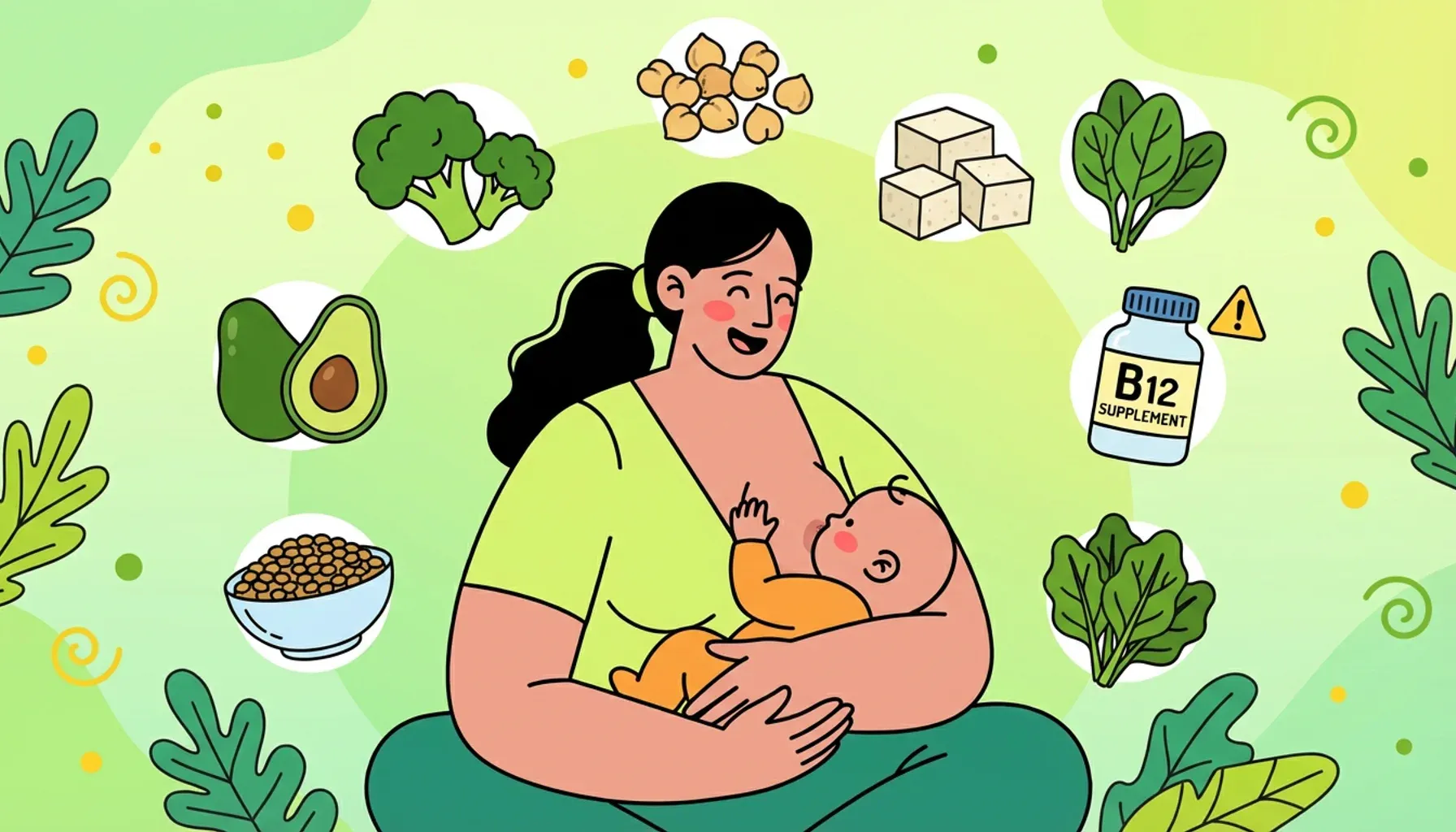
Calcium. It’s found in dairy products, so lacto-vegetarians are safe. Vegans, on the other hand, can develop early osteoporosis if plant-based sources of calcium are not a part of your everyday diet. You will find calcium in the following veggies:
- bok choy cabbage
- broccoli
- Chinese cabbage
- soy products
- sesame seeds
- almonds [2]
What baby needs
B12 will only be present in mama’s milk if it's in her daily diet. And it’s contained exclusively in animal products. If mom doesn’t eat meat, fish, eggs and milk, then she will need vitamin supplements [3].
Vitamin B12 deficiency is dangerous. Its symptoms — delayed physical and mental development — will begin to appear only after four months, or sometimes years later. Then, it will no longer be possible to compensate for the shortage that occurred in the first months of life [2, 4].