
Is plasticware really dangerous?
Paying attention to what you eat and also what you eat FROM is important during pregnancy, especially in the second half of pregnancy, when the baby’s brain is developing intensively [1].
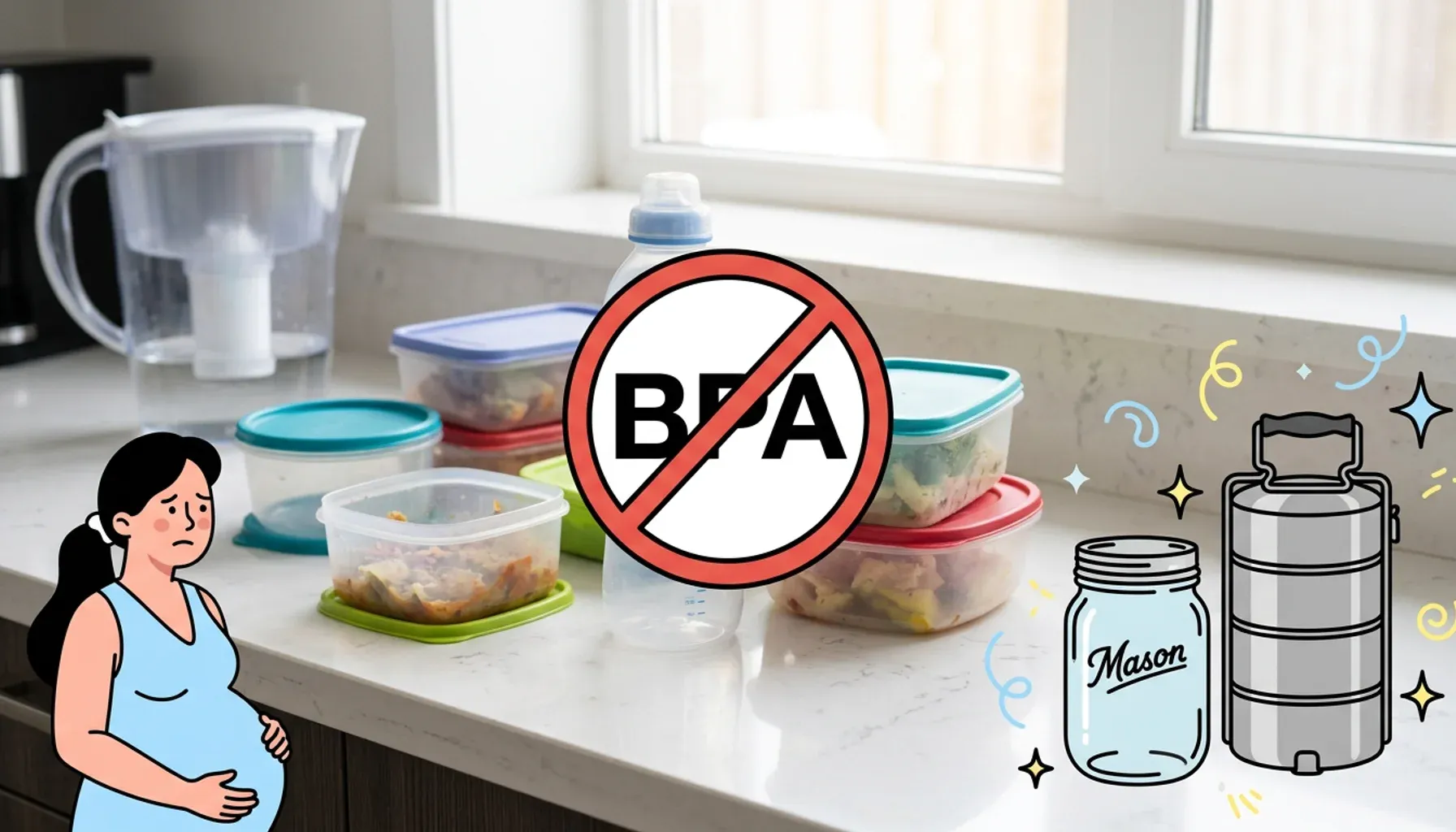
Bisphenol A (BPA) is a chemical that is often used in the manufacture of hard plastics. It is present in water bottles, lunch boxes, disposable forks and spoons. Plastic with BPA covers the inner surface of carbonated beverage cans. In other words, we come into contact with BPA constantly, without even noticing it.
BPAs can easily enter food from dishes, but it is believed that, in small doses, it is safe for adults. However, its effect on the intrauterine and early development of the baby causes concern [1, 2]. In any case, the American Food and Drug Administration (FDA) does not recommend the use of BPA plastic in baby food packaging [2].
Why is BPA harmful?
This chemical compound affects the production of cortisol, the stress hormone. Children who received prenatal BPA are born more restless, sleep worse, cry more [1], and subsequently show signs of hyperactivity, anxiety and depression [3]. Increased cortisol in the mother can even lead to premature birth [4]. In 2019, The European Respiratory Society (ERS) suggested that asthma more often develops in children whose mothers used plastic dishes during pregnancy [5].
Most of this research is conducted on animals. Therefore, the evidence is not considered sufficiently convincing, and the use of BPA is not officially banned either in the US, although it is limited in some European countries. Manufacturers are not even obliged to put any special marks on the dishes. By default, it can be considered that any transparent hard plastic contains this substance, so try to avoid this type of plastic as much as you.