EN
try amma today
Make a plan for the first days after giving birth
Pregnancy

Make a plan for the first days after giving birth

2 min readWeek 32
Key takeaways
2 min
  • Create a detailed postpartum plan including choosing baby names, selecting comfortable nursing clothes, and arranging help for the first weeks home.
  • Prepare for breastfeeding by purchasing supportive postpartum bras and considering a lactation consultant, especially for multiple babies.
  • Monitor your health by watching for concerning symptoms like abnormal discharge, high blood pressure, or signs of preeclampsia.
  • Strengthen your body with prenatal exercises like Kegels and use comfort measures like exercise balls for hip pain relief.
  • Arrange support systems early, particularly if expecting twins, as extra hands are essential for eating, sleeping, and baby care.

Plan your first postpartum days by preparing baby names, comfortable nursing clothes, and arranging help. Stock postpartum bras, organize support for meals and cleaning, and monitor health symptoms. Proper planning reduces stress and ensures smoother recovery.

amma app

Track your pregnancy in the app

Personalized content for your pregnancy week

Download App

Make a plan for the first days after giving birth

The end of your pregnancy is just around the corner! You are probably worried about the upcoming birth. This feeling is natural, especially if this is your first pregnancy.

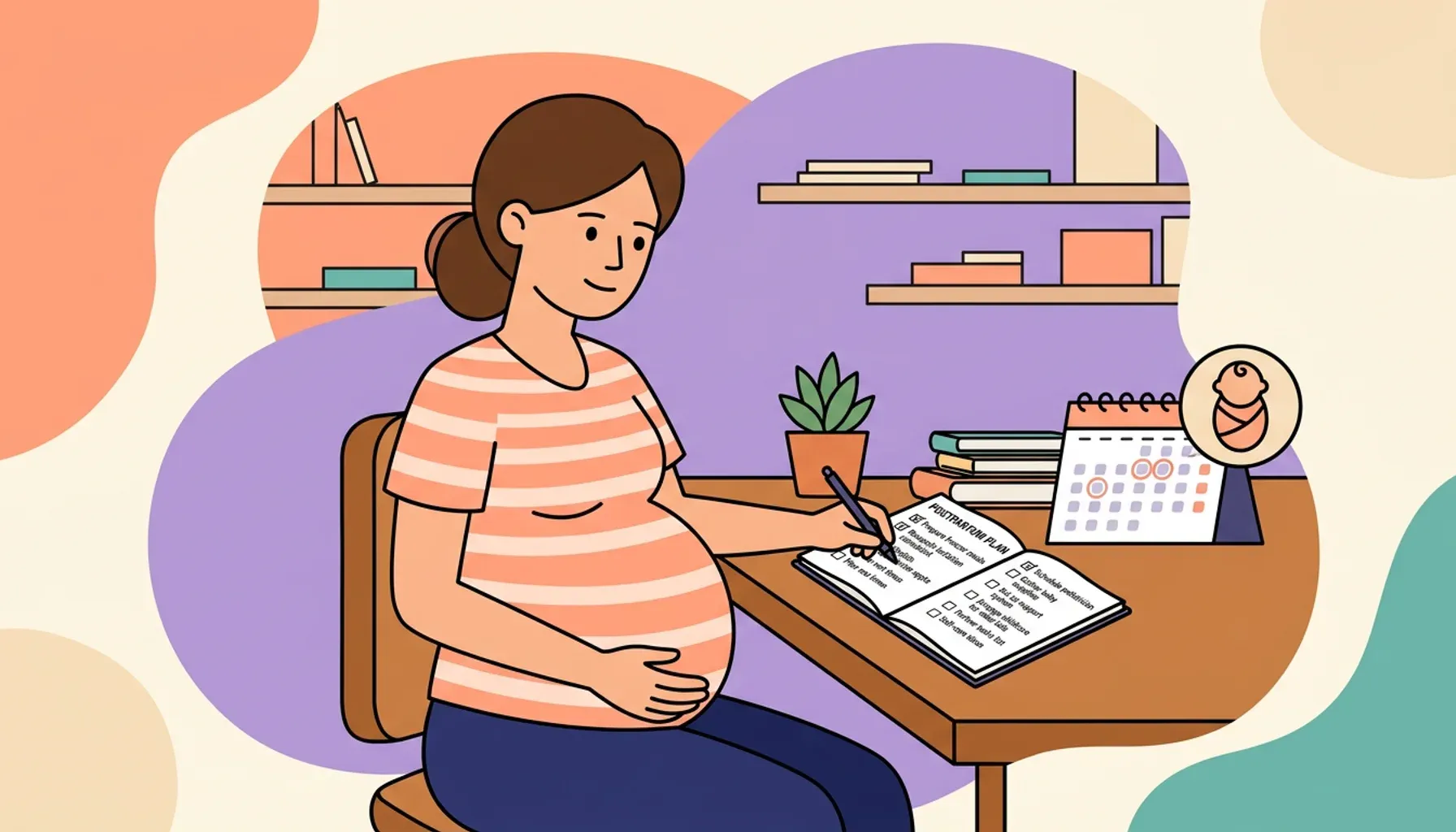
You can relieve some of your anxiety by writing down your thoughts and planning for the first days after your baby is born because well-thought-out plans can significantly reduce stress. For example, if you plan on breastfeeding, choose a postpartum bra and clothes that will comfortably accommodate it [1].

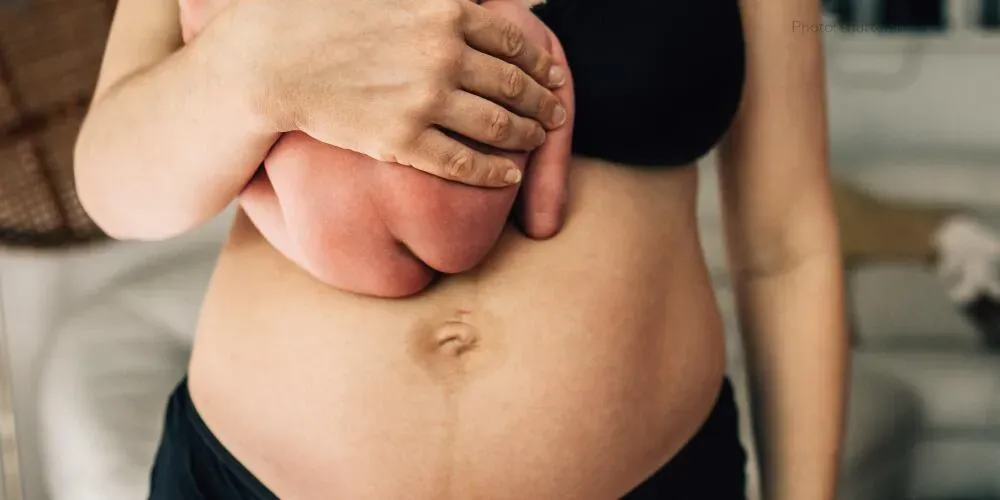
During this period, the doctor will closely monitor your abdomen, measuring and feeling it to determine the baby’s position. The baby may already be in a head-down position, which is ideal. But don’t worry if they haven’t turned, many babies shift later [2].

The doctor will also check your blood pressure. This is important because high blood pressure, combined with swelling of the hands and face and increased protein in the urine, may indicate preeclampsia. You can lower your blood pressure by adjusting your diet and doing physical activity, like walking or swimming.

During pregnancy, the load on the pelvic bones increases, so many expectant mothers experience hip pain. If this is your case, try sitting on an exercise ball, this can relieve pressure on the pelvis. You can also reduce pain by strengthening your gluteal and vaginal muscles with prenatal exercises such as Kegels [3].

If you are expecting twins

It's time to find someone who can lend a helping hand during the first weeks after you return from the hospital. Mothers of twins really need the extra support, otherwise you will simply not have time to eat and sleep. You will also probably need a breastfeeding consultant, nursing two (or three!) can be particularly challenging. You are just in time to prepare for this and arrange for support.

Discharge

Healthy discharge from the genital tract should appear uniform and milky in color. A yellow-green discharge, a cheesy or frothy consistency, and an unpleasant odor indicate the presence of an infection. Bloody discharge requires urgent medical attention [4].

Frequently asked questions

It's best to finalize baby names during your third trimester as part of your postpartum planning. Having names ready reduces stress and helps you feel more prepared for your baby's arrival.

Pack comfortable nursing bras, loose-fitting clothes for breastfeeding, and personal care items. Include your chosen baby names list and any paperwork needed for birth certificate registration.

Choose supportive postpartum bras and nursing-friendly clothes before delivery. Consider consulting with a lactation specialist, especially if you're having multiples.

Arrange for family or friends to help with meals, cleaning, and baby care. New parents, especially with twins, need support to ensure proper rest and nutrition during recovery.

Monitor for abnormal discharge (yellow-green, frothy, or foul-smelling), excessive bleeding, or signs of high blood pressure. Contact your healthcare provider immediately if these symptoms occur.

Medical Disclaimer

This article is for informational purposes only and is not a substitute for professional medical advice, diagnosis, or treatment. Always seek the advice of your physician or qualified health provider with any questions you may have regarding a medical condition.

Meet our medical experts

Medically reviewed content

Reviewed by healthcare professionals · Updated August 15, 2025

Track your pregnancy on the go

Rated 4.8417,594 reviews