EN
try amma today
The postpartum period is over
Pregnancy

The postpartum period is over

2 min readWeek 8
Key takeaways
2 min
  • Expect your postpartum period to officially end at 6 weeks when most organs return to pre-pregnancy levels and thyroid function normalizes.
  • Reduce your daily calories by 500 after the postpartum period to safely return to pre-pregnancy weight within a year without affecting milk quality.
  • Prepare for continued sleep challenges even after postpartum ends, as both breastfeeding and bottle-feeding mothers experience ongoing sleep deprivation.
  • Focus on resuming normal diet and exercise routines after 6 weeks to help your body return to its former BMI and overall health.
  • Understand that physical recovery doesn't equal complete recovery - emotional and lifestyle adjustments continue beyond the official postpartum timeline.

The postpartum period officially ends at 6 weeks (42 days) after delivery when most organs return to pre-pregnancy levels. However, challenges like sleep deprivation and weight management continue beyond this medical timeline for many mothers.

amma app

Track your pregnancy in the app

Personalized content for your pregnancy week

Download App

The postpartum period is over

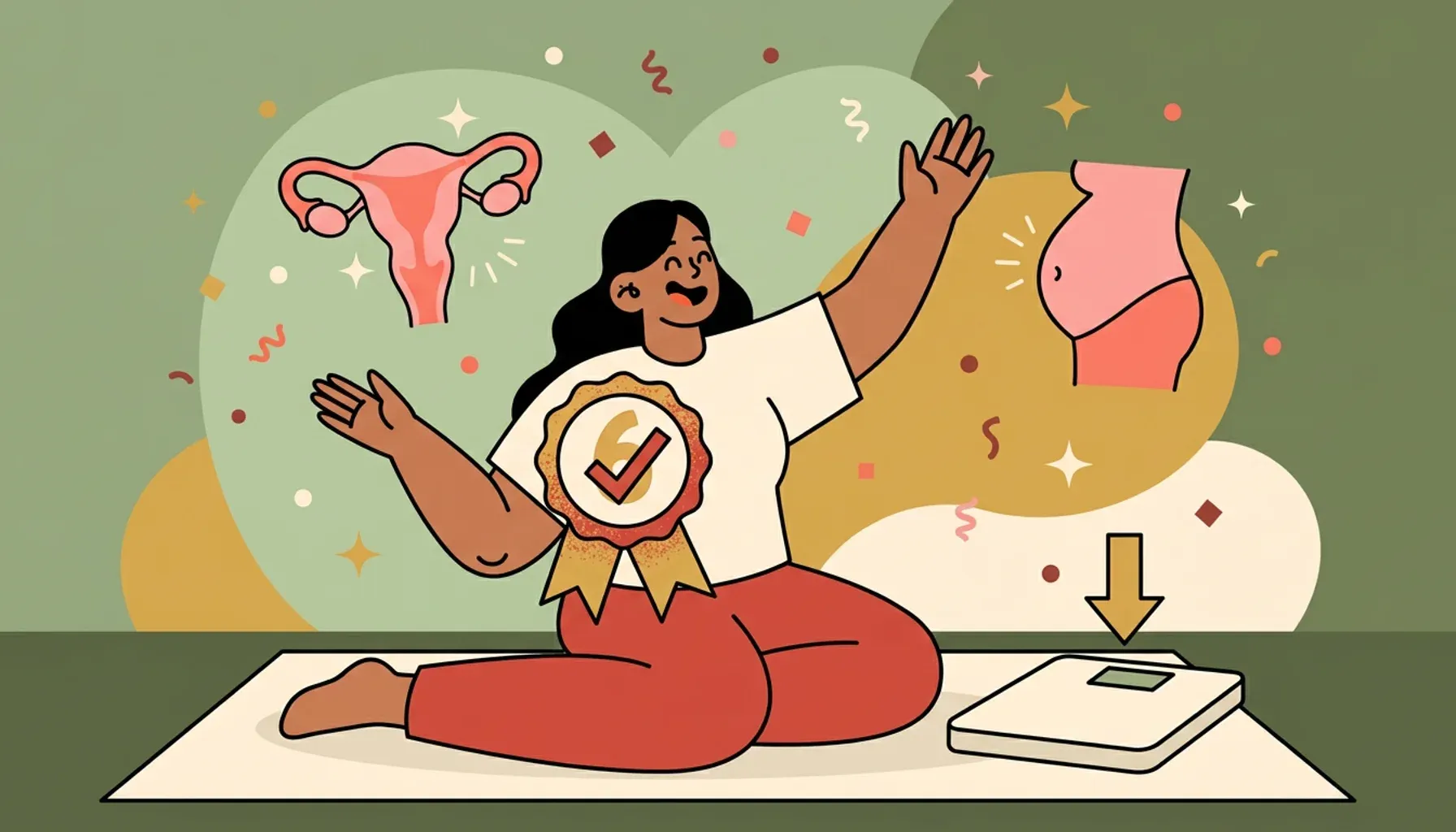
According to some medical timelines, after 42 days or six weeks, the postpartum period is complete [1]. By this time your physical involution is mostly completed, that is most of your organs and their functions have returned prenatal levels. Your thyroid function and insulin sensitivity (if had gestational diabetes) [2] will return to normal. Taking up your normal (pre-pregnancy) diet and exercise will help you return to your former BMI.

Studies show that mothers who cut their diet by 500 calories per day at the end of the postpartum period return to their prior body weight within a year [3]. This lowering of calories should not inhibit milk production or decrease quality. Instead, fat reserves accumulated during pregnancy are used for lactation [3].

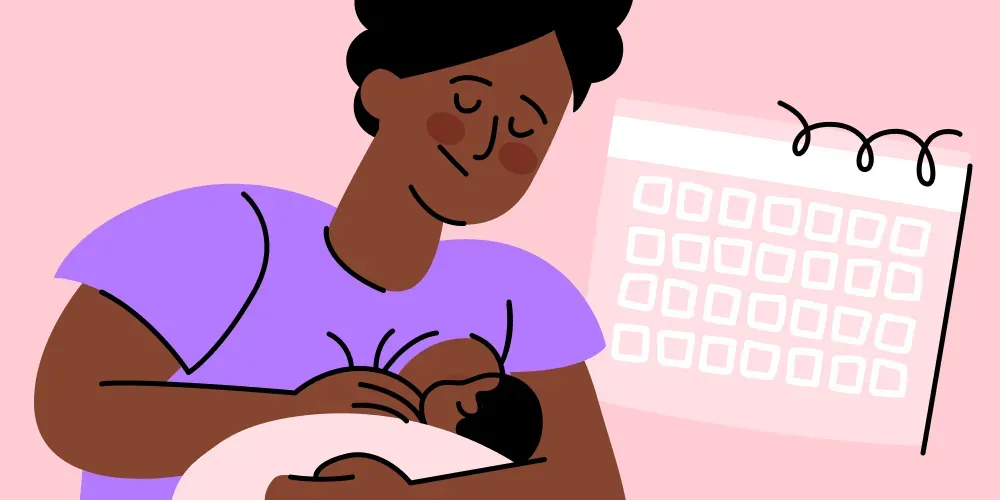
But even when postpartum officially ends, that doesn’t mean everything has returned to normal. Both breastfeeding moms and moms who choose the bottle, still face sleep deprivation [5].

Studies show that non-breastfeeding mothers may spend a little less time on caring for their baby (someone else can hold the bottle and flow is usually faster), yet they will spend more time on housework. They often use the time that could be spent on sleeping, washing bottles, household chores, and caring for others in the household instead [5].


  1. Maternal deaths. Global Health Observatory data, WHO.

  2. Physiology, Postpartum Changes. Gaurav Chauhan, Prasanna Tadi. StatPearls Publishing, 2021.

  3. Two-year follow-up of a postpartum weight loss intervention: Results from a randomized controlled trial. Huseinovic Ena, et al. Maternal & Child Nutrition vol. 14, 2, 2018.

  4. Association between breastfeeding and new mothers’ sleep: a unique Australian time use study. Julie P. Smith and Robert I. Forrester. Int Breastfeed J., 2021.

Frequently asked questions

The postpartum period officially ends at 6 weeks or 42 days after delivery according to medical guidelines. By this time, most organs and bodily functions have returned to pre-pregnancy levels.

Yes, you can safely reduce calories by 500 per day after the postpartum period ends without affecting milk production or quality. Your body will use fat reserves accumulated during pregnancy for lactation.

Sleep challenges often continue beyond the official postpartum period. Both breastfeeding and bottle-feeding mothers may still experience sleep deprivation due to baby care demands and household responsibilities.

Studies show that mothers who reduce their caloric intake by 500 calories daily after the postpartum period can return to their pre-pregnancy weight within one year. Combining proper diet with exercise helps achieve former BMI levels.

By 6 weeks postpartum, physical involution is mostly complete, thyroid function normalizes, and insulin sensitivity returns to normal. However, full recovery may take longer depending on individual circumstances.

Medical Disclaimer

This article is for informational purposes only and is not a substitute for professional medical advice, diagnosis, or treatment. Always seek the advice of your physician or qualified health provider with any questions you may have regarding a medical condition.

Meet our medical experts

Medically reviewed content

Reviewed by healthcare professionals · Updated September 6, 2024

Track your pregnancy on the go

Rated 4.8417,594 reviews