EN
try amma today
Time for a new wardrobe
Pregnancy

Time for a new wardrobe

3 min readWeek 17
Key takeaways
3 min
  • Switch to maternity clothes around 16 weeks as your baby bump becomes more prominent and your body continues changing.
  • Expect common symptoms like heartburn, frequent urination, and skin changes including the linea nigra and breast enlargement.
  • Schedule second-trimester screening tests between weeks 15-20 to check for birth defects and chromosomal disorders.
  • Monitor discharge changes and report burning during urination to your doctor as these may indicate infections.
  • Consider this the perfect time to start thinking about baby names as you're well into your second trimester.

At 16 weeks pregnant, you'll likely need maternity clothes as your baby bump becomes prominent. Common changes include breast swelling, skin pigmentation, frequent urination, and digestive issues like heartburn. This is also an ideal time to consider baby names as you enter the stable second trimester.

amma app

Track your pregnancy in the app

Personalized content for your pregnancy week

Download App

Time for a new wardrobe

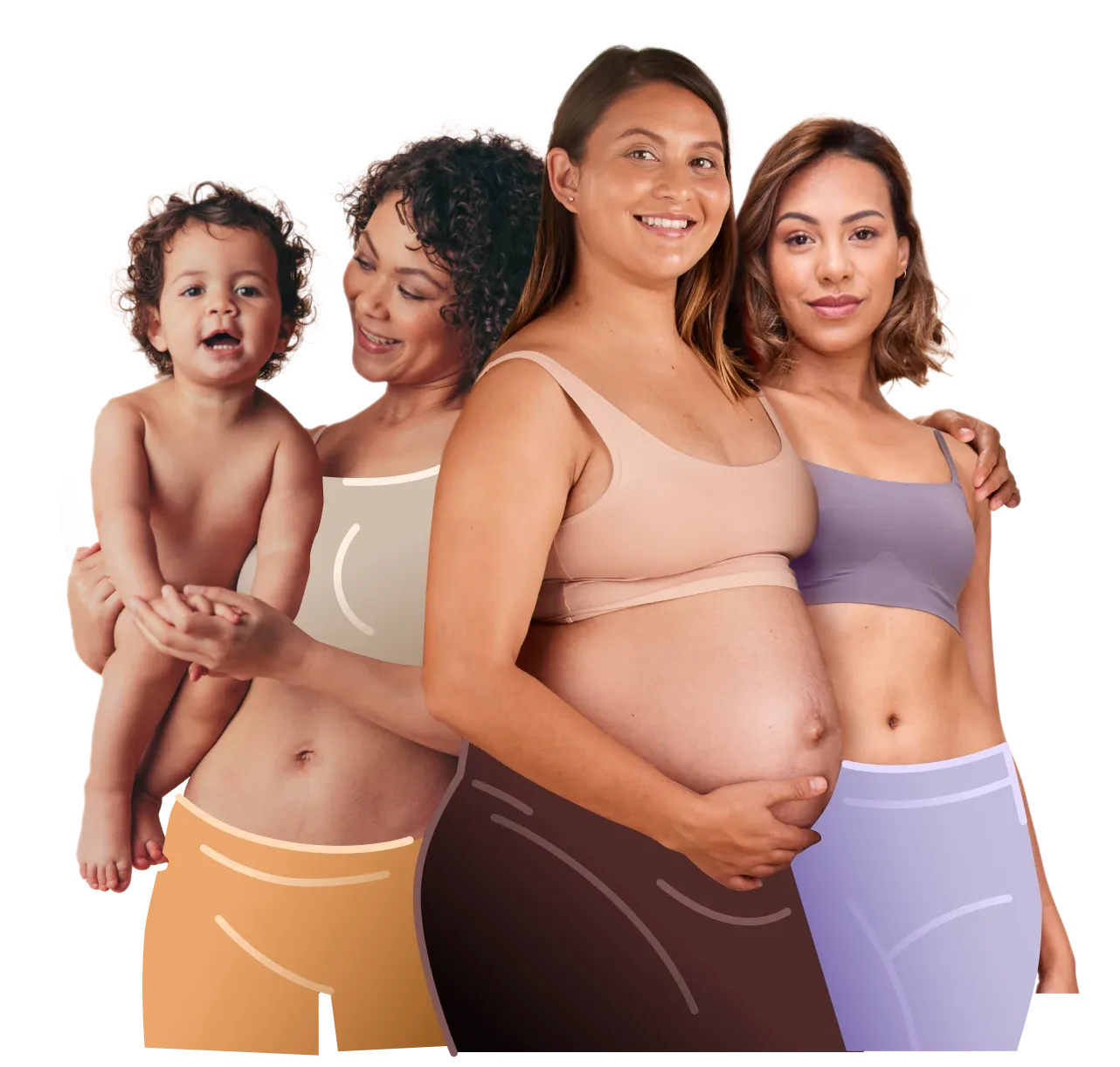
By this week, you may want to switch to maternity clothes. Your baby is growing by the day, and the uterus and amniotic fluid continue to expand. You now have a beautiful baby bump! A pigmented vertical line will likely appear on your abdomen [1], and as your skin stretches it may start to feel dry and itchy.

Your breasts will swell as the mammary glands become enlarged and the areolas darken, while the sebaceous glands in the nipples will start to appear as small nodules. You will also notice thin, bluish veins on your chest.

With the famous pregnancy glow, many expectant mothers share a certain look. But on the other hand, spots of irregular pigmentation may appear on the skin [1], which can worsen with unprotected sun exposure.

The uterus is now pushing up the intestines even more, which adds pressure and can make it harder for food to move through the colon, leading to digestive issues. The hormone progesterone relaxes all smooth muscles, including the valve between the esophagus and the stomach; which can lead to acid reflux [2]. Heartburn, gas, and bloating are not rare. To alleviate these symptoms, try eating more fiber and avoid heavy meals in the evenings.

You will find yourself making more frequent trips to the bathroom. If you feel any burning sensation during urination, consult your doctor. This may indicate cystitis, which is common during pregnancy and shouldn’t be ignored.

If you are expecting twins

If your twins have a shared placenta, then it is advisable to do another ultrasound now and then repeat them every two weeks to monitor whether the babies are developing evenly (with a common placenta, one can pull resources from the other). With dichorionic twins (each has their own placenta), things are easier and your next screening, as with a single pregnancy, should be done at around weeks 19-21.

Tests and evaluations

Second-trimester screenings are usually done between weeks 15 and 20. They include maternal blood tests and an ultrasound, which are intended to detect birth defects related to the baby’s heart, structural anomalies, or risk of chromosomal disorders, such as Down syndrome [3].

Discharge

Normal discharge should be even and pale with a slightly sour smell. If your discharge changes, inform your doctor immediately.
Frequently asked questions

At 16 weeks, you'll likely have a visible baby bump and may need maternity clothes. Common changes include breast swelling, darkened areolas, a dark line on your abdomen (linea nigra), and possible skin pigmentation changes.

The second trimester, around 16 weeks, is an ideal time to start considering baby names. You're past the highest risk period and may soon learn your baby's gender at upcoming ultrasounds.

Normal symptoms include heartburn, gas, bloating, frequent urination, and skin changes. However, burning during urination or unusual discharge changes should be reported to your doctor immediately.

Second-trimester screening tests are typically done between weeks 15-20, including maternal blood tests and ultrasounds. These screen for birth defects, structural anomalies, and chromosomal disorders like Down syndrome.

Medical Disclaimer

This article is for informational purposes only and is not a substitute for professional medical advice, diagnosis, or treatment. Always seek the advice of your physician or qualified health provider with any questions you may have regarding a medical condition.

Meet our medical experts

Medically reviewed content

Reviewed by healthcare professionals · Updated August 15, 2025

Track your pregnancy on the go

Rated 4.8417,594 reviews