
When a man prepares to become a father, many thoughts may overwhelm him: What do I need to do to prepare our house for our baby’s arrival? What will the baby need? How can I share in the childcare responsibilities?
In addition to practical thoughts, fundamental questions arise. One of them is what can he provide a baby as a father. Without going deep into philosophy on parenting styles, let’s analyze the basic needs of the baby and what a dad can satisfy.
Food and sleep
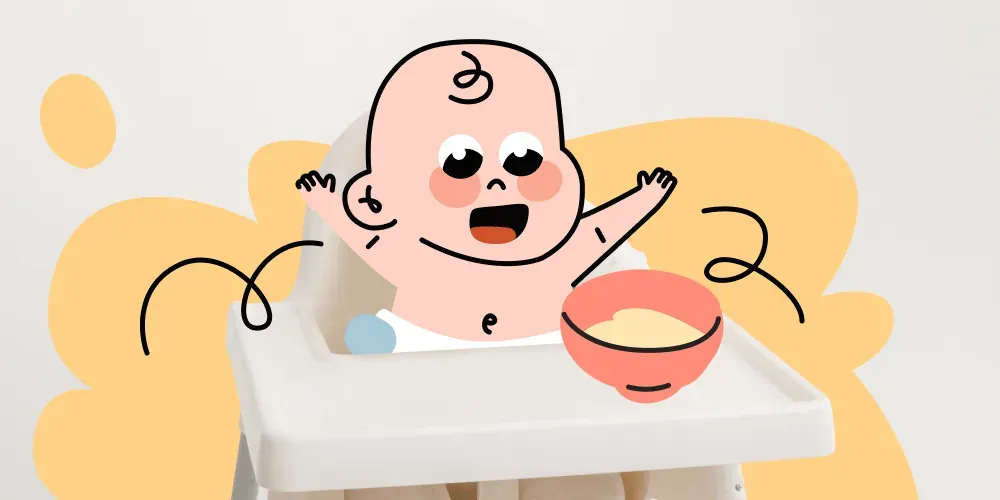
For obvious reasons, only the mother can feed the baby with breastmilk, but a father can also help a baby with almost all the other basic needs of the child. A baby equally accepts the care of both parents. Diaper changing, dressing, burping, rocking to sleep are all needs that a baby has that a father is fully equipped to perform.
Feeling safe
Until the 1950s, psychologists believed that a newborn first and foremost needed food from his parents, and did not recommend that parents spend much time with a baby beyond that. However, studies by English psychiatrist John Bowlby have shown that children experience incredible anxiety when their parents are away, even when other people are taking care of them. A child's attachment to his parents is conditioned by evolution: it is very important for a weak and defenseless infant to understand that there are people nearby who will take good care of him [1].
The best thing a dad can do for a baby is to just be there . If possible, do not leave him alone. The main thing for a newborn is to know that adults are nearby. Loneliness is a powerful source of stress for a child.
Physical contact
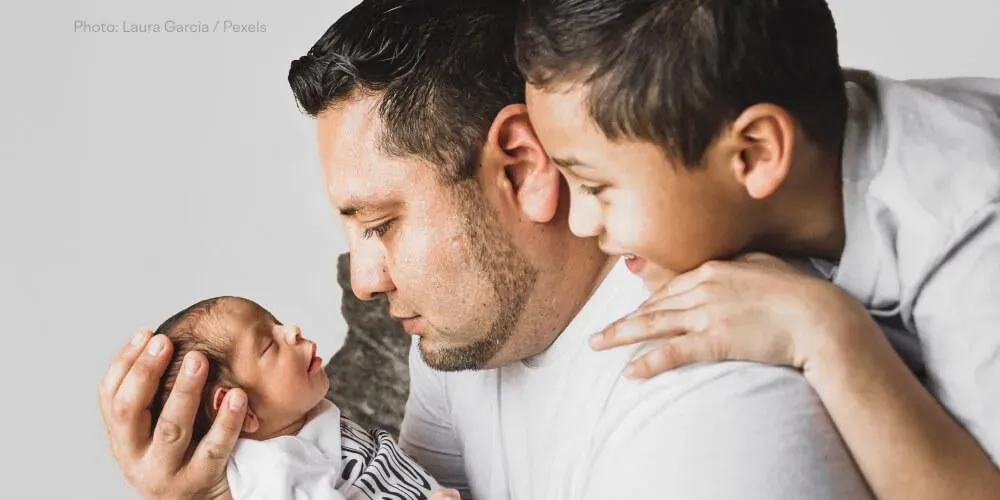
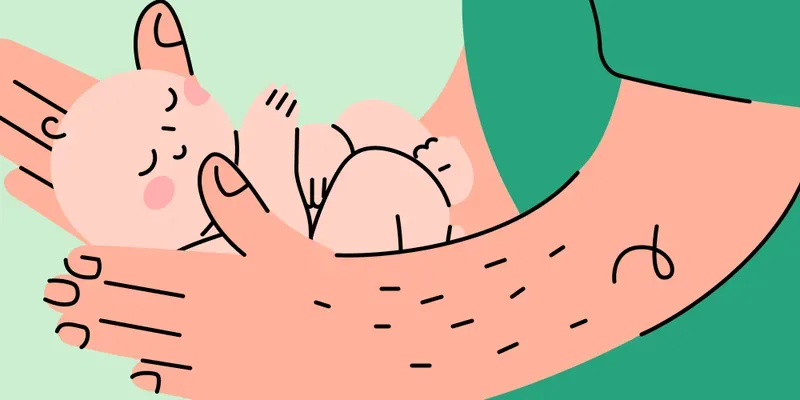
Parental touch and affection is one of the main sources of joy for the baby. This applies equally to both mom and dad [2]. To be in the arms of parents, to hear their gentle voice, to feel their love and tenderness is a natural need for a child. Lack of physical contact can lead to impaired attachment, which provokes the emergence of anxiety disorders and chronic diseases [3, 4].
Emotional closeness
From the very first days of life and throughout childhood, a child needs a calm and safe environment. When he cries or screams, reassure and comfort him, and when the baby grows up, always be open to conversation on any topic. Emotional coldness of parents can turn into long-term problems for a child in adult life: from chronic diseases and depression to alcohol dependence and mental decline [5].
A child's scream can be very annoying, but remember that this is not a whim, but a manifestation of discomfort that he cannot cope with due to the underdeveloped nervous system. Crying, the child unconsciously calls for help from his parents, so that they help him cope with difficulties. Contrary to popular belief, this is not manipulation. Remember that the child behaves well if the nervous system allows it. Until the centers of emotional self-control in his brain are ripe, helping him cope with stress is your task [6].