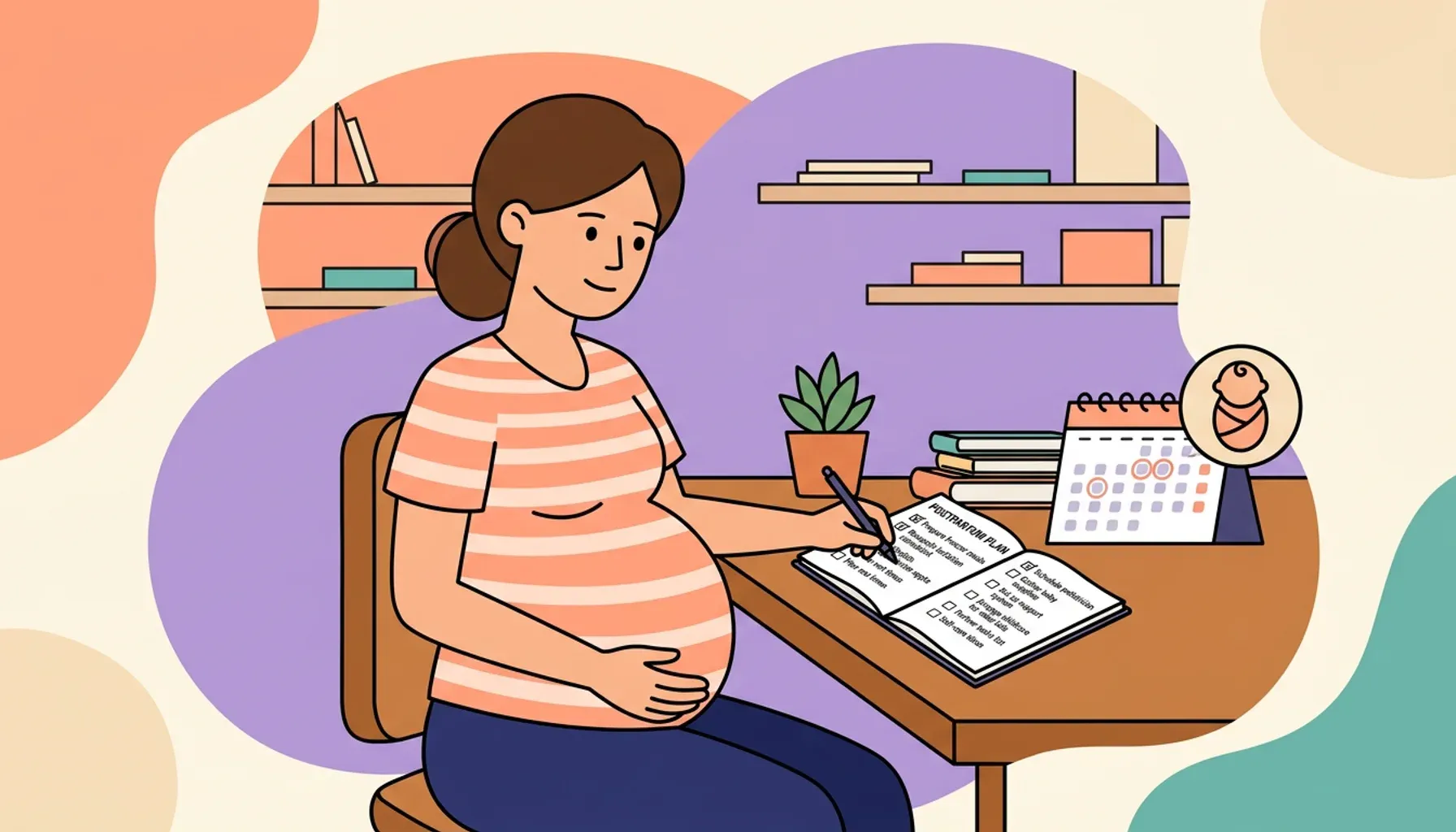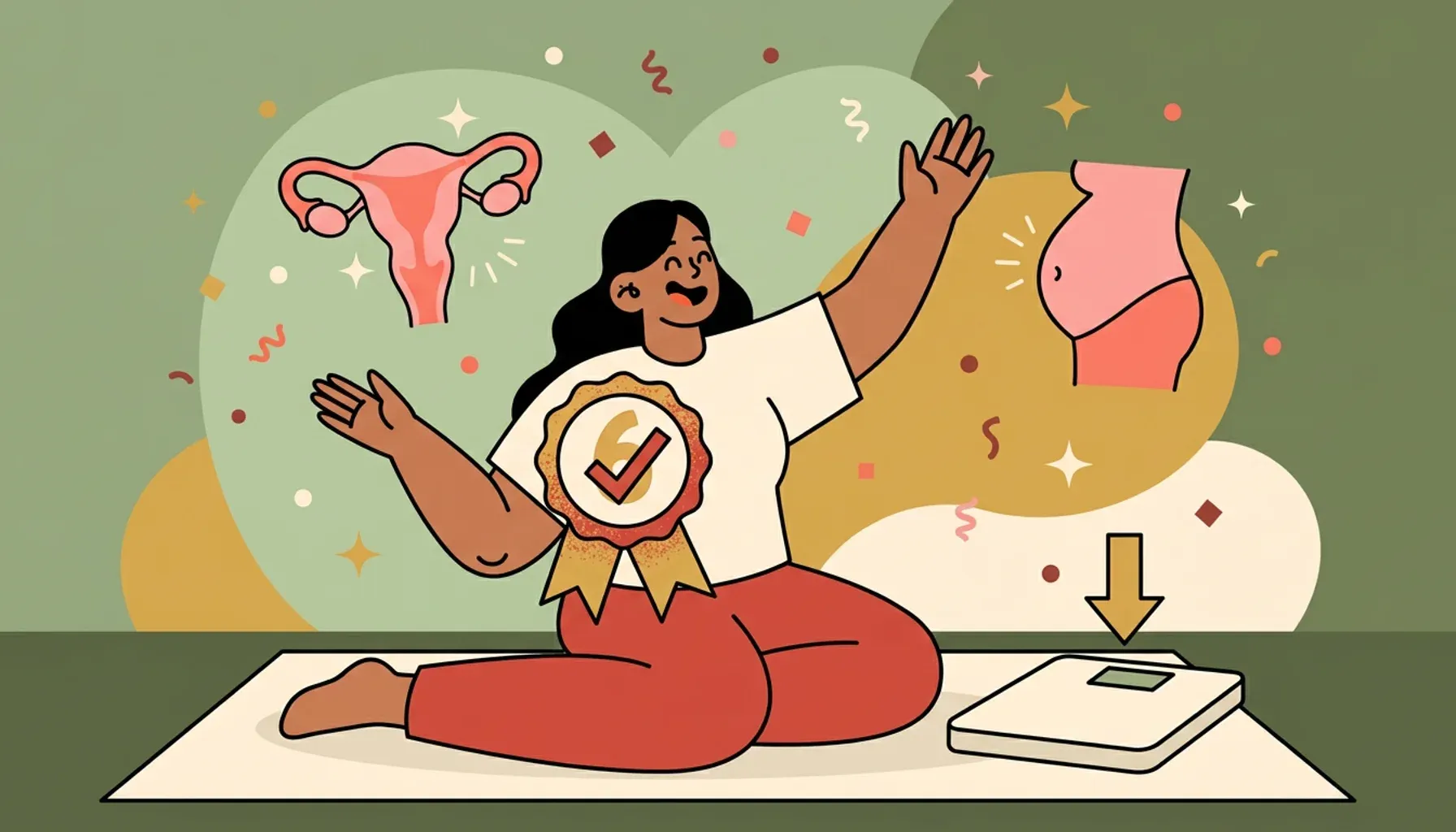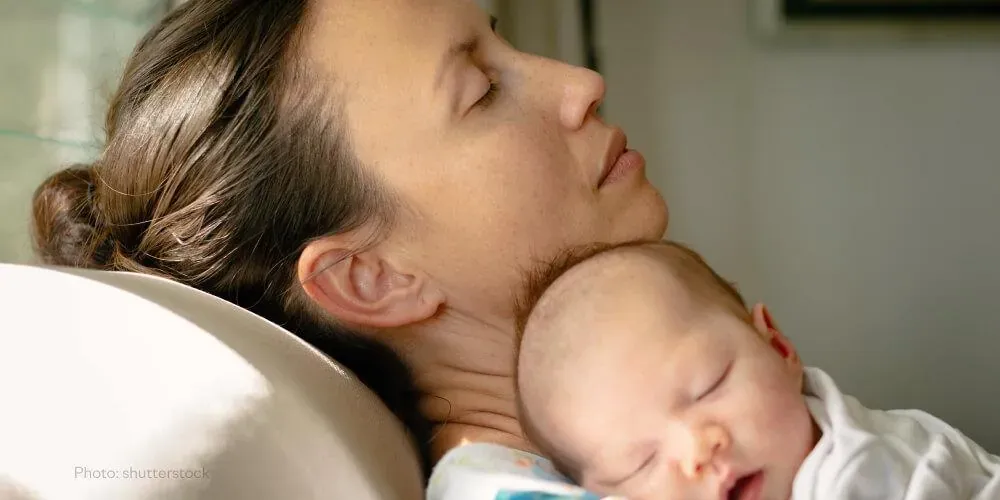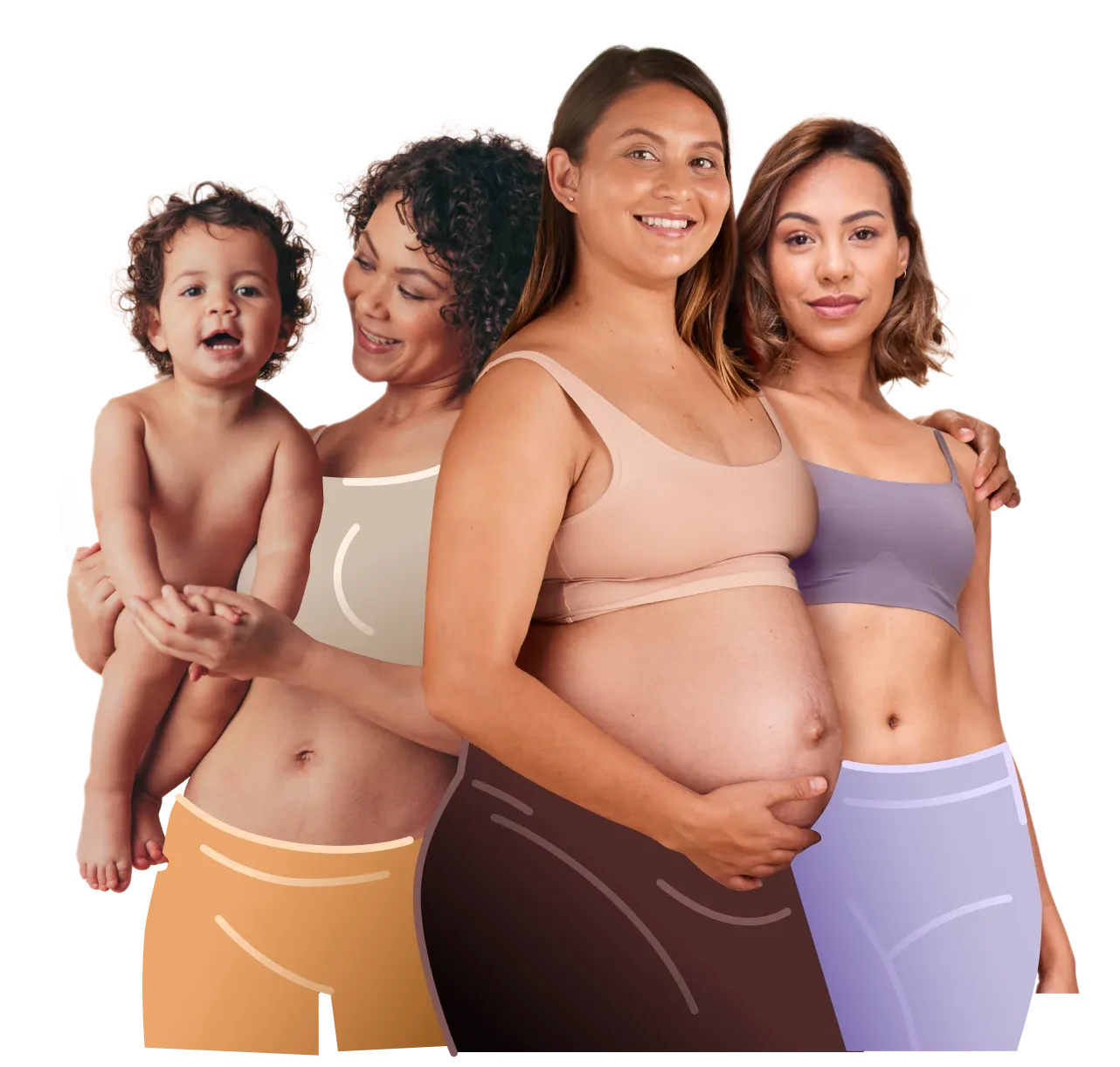

Many new moms switch focus entirely on their baby and forget about themselves. But doctors remind us that the first three months are an important time not only for the baby but also for the mother [1]. Below is a checklist to help you on your road to recovery.
1. Rest
During the first two to three weeks, your body doesn't need exercise — it needs sleep and rest. After a C-section, the rest period should be longer, up to six weeks [2].
2. Return to physical activity gradually
Short, easy walks are an excellent option for resuming physical activity [3]. You can gradually increase the intensity and length of your walks and incorporate floor exercises.
3. Do abdominal exercises
After childbirth, your tummy will not return to normal right away, which is natural, as your abdominal muscles have understandably stretched. Don't rush into doing ab work instead start with breathing exercises [4]:
lie on your side with your knees bent;
inhale gently;
exhale as you pull in your lower abdomen;
simultaneously, tighten the pelvic floor muscles;
hold your abdomen tense for a count of ten while continuing to breathe;
relax.
Repeat up to ten times.
4. Choose comfortable underwear
Whether you breastfeed or not, your chest will still be enlarged and swollen, so wear a comfortable, stretchy nursing bra [3].
5. Exercise your pelvic floor muscles
If you exercised your pelvic floor muscles while pregnant, you can continue after giving birth. It can help prevent urinary incontinence, a common issue for new moms [5]. If you haven’t exercised them before, you can start as soon as your doctor gives you the green light to help strengthen your muscles and prevent pelvic floor dysfunction [4].
6. Take care of your back
Back pain is common during the first few weeks after childbirth, as mothers often have to bend over their baby and assume unfamiliar positions for feeding or nursing. Set up a comfortable feeding area with pillows and supports to help you maintain good posture [4].
7. Drink eight to ten glasses of water a day
Or even more, if you are breastfeeding. Drinking plenty of fluids helps prevent constipation and dehydration [6].
8. Eat healthy, nourishing foods
Don't jump into a diet just because you want to get in shape faster. Your body needs a lot of protein to heal and a good amount of carbs to keep going. Also, moms who breastfeed need an extra 500 calories a day to keep up their milk production [6].