EN
try amma today
What is pelvic floor dysfunction?
Article

What is pelvic floor dysfunction?

2 min readWeek 33
Key takeaways
2 min
  • Recognize early warning signs like urine leakage when coughing, sneezing, or reduced sexual sensitivity to prevent worsening symptoms.
  • Start Kegel exercises and breathing techniques during pregnancy to strengthen pelvic floor muscles and prevent future dysfunction.
  • Address pelvic floor issues promptly with your doctor to avoid reduced quality of life or need for surgical intervention later.
  • Maintain healthy weight and practice spine-strengthening exercises to reduce pressure on pelvic floor muscles during pregnancy.
  • Don't feel embarrassed discussing pelvic floor symptoms with healthcare providers - early treatment prevents complications.

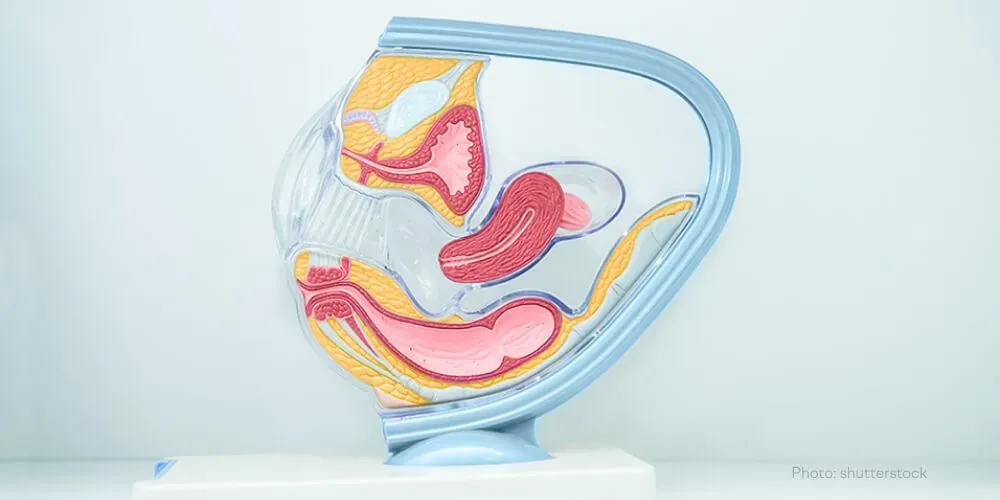
Pelvic floor dysfunction occurs when muscles supporting pelvic organs weaken or become damaged. Common signs include urine leakage when coughing or sneezing, difficulty controlling urination, and pain during intercourse. Pregnancy, childbirth, and aging are primary causes.

amma app

Track your pregnancy in the app

Personalized content for your pregnancy week

Download App

Pelvic floor issues are insidious because we don’t always realize something is wrong with those muscles until the day comes when we sneeze and realize we leaked urine. Many women are embarrassed to bring the subject up with their doctor, but you shouldn’t be! 

What are some signs of pelvic floor dysfunction?

  • Leaking urine when coughing or sneezing (even a few drops)

  • Lack of control when trying to stop urinating

  • Pain or squelching sounds during sexual intercourse

  • Airflow into the vagina in certain positions

  • Reduced sexual sensitivity and difficulty achieving orgasm [1]

Unfortunately, these symptoms only worsen over time. Lack of timely treatment can lead to reduced quality of life or the need for surgical intervention.

Why do these muscles weaken?

One common cause behind a weak pelvic floor is pregnancy and childbirth. The weight of the growing baby and the strain of delivery can stretch and weaken the area. Obesity and certain types of surgery can also lead to dysfunction of the pelvic floor muscles, which also weaken with age [2].

What can I do for my pelvic floor health?

The best treatment is prevention! Performing certain exercises during pregnancy can prevent damage and quickly restore your perineal muscles after childbirth. Kegel exercises are helpful [3], as are breathing exercises. Practicing moves to strengthen your chest and spine can also help distribute pressure so that there is less strain on your pelvis. 

Frequently asked questions

Early signs include leaking urine when coughing or sneezing, difficulty controlling urination, and pain during intercourse. You may also experience reduced sexual sensitivity or airflow into the vagina in certain positions.

Yes, prevention is the best treatment. Regular Kegel exercises, breathing techniques, and spine-strengthening moves during pregnancy can prevent muscle damage and maintain pelvic floor health.

See your doctor immediately if you experience any urine leakage, pain during intercourse, or difficulty controlling urination. Early treatment prevents symptoms from worsening and avoids need for surgery.

The growing baby's weight and delivery strain can stretch and weaken pelvic floor muscles. Hormonal changes during pregnancy also affect muscle tone and elasticity in the pelvic area.

Kegel exercises are highly effective when done correctly and consistently. They strengthen pelvic floor muscles, prevent dysfunction during pregnancy, and help restore muscle tone after childbirth.

Medical Disclaimer

This article is for informational purposes only and is not a substitute for professional medical advice, diagnosis, or treatment. Always seek the advice of your physician or qualified health provider with any questions you may have regarding a medical condition.

Meet our medical experts

Medically reviewed content

Reviewed by healthcare professionals · Updated March 25, 2025

Track your pregnancy on the go

Rated 4.8417,594 reviews