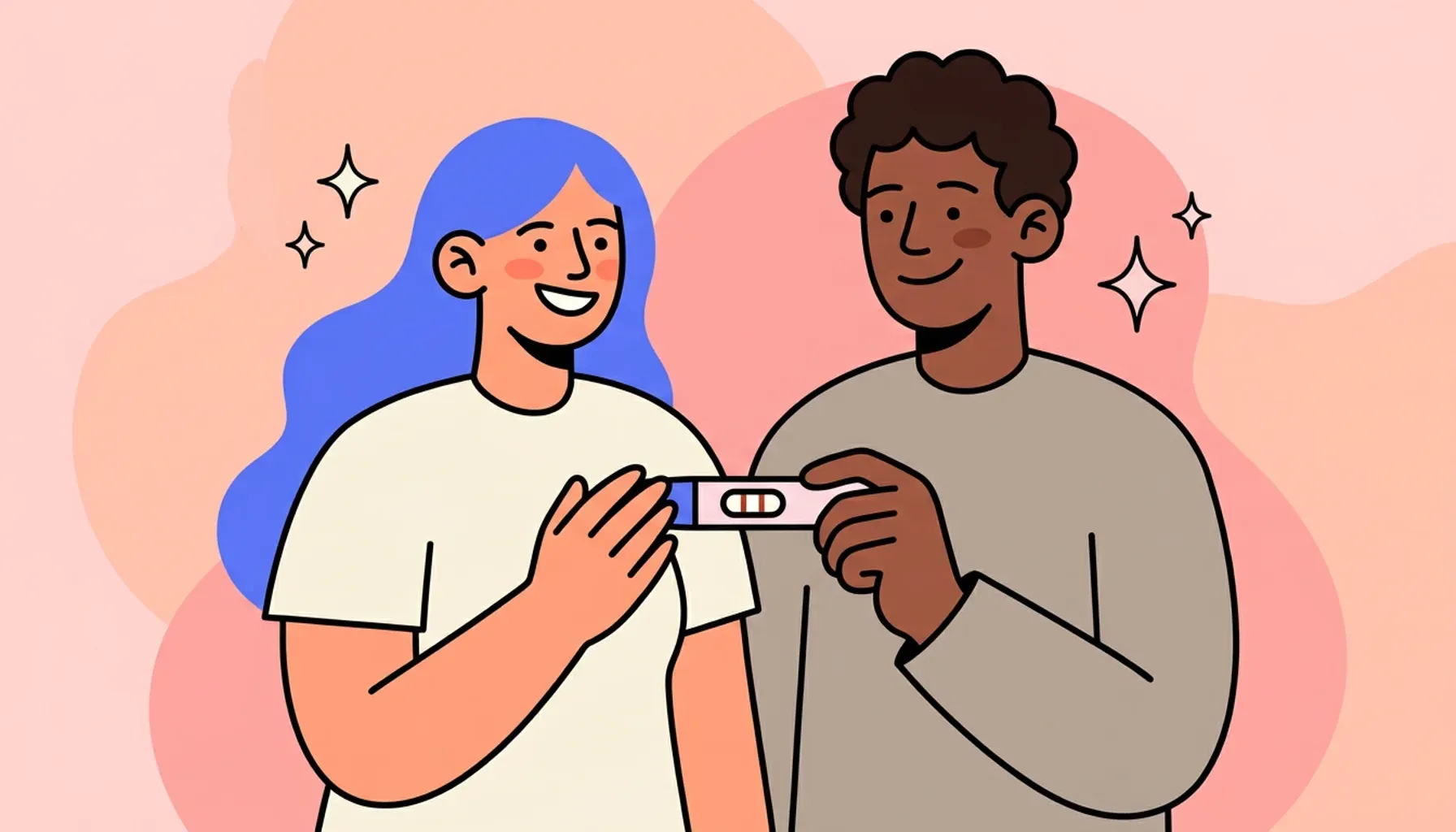

When you learn that you are pregnant, you might not jump up and down with happiness — and that’s okay.
"Instead of rejoicing and screaming with delight, I literally tremble with fear"
This too is a completely normal reaction to pregnancy. Even if you have been planning to get pregnant, it’s not uncommon to panic when you get the results from your home pregnancy test. Excitement and fear are triggered by the same process in your body. It is a kind of "fight or flight" reaction that we’ve inherited from our ancestors. The heart begins to beat faster, the pressure rises, the muscles tense. Your body is responding to life-altering news! It’s just the truth — even if you are completely overjoyed with the news, there’s also a lot of questions raised. After all, now your life will change a lot. So you have every right to panic [1].
“I have to radiate happiness, but in fact I have a stupor. I don't feel anything at all"
An emotional stupor may set in when you are still processing the news. Sometimes the psyche reacts in this way in order to protect itself from unnecessary emotions, which would be overwhelming right now. All of this occurs at the unconscious level. Intellectually, you understand that a big event happened, but your emotions need a moment to catch up.
This is normal — don't worry [1]. This kind of reaction can occur in response to all sorts of important news in everyday life. Even though this may be confusing — give yourself time and space to process your feelings. Awareness will follow.
"I’m so emotional: I burst into tears and, a few minutes later, I find myself yelling at someone"
Many women find it difficult to control emotions during pregnancy, especially in the first trimester. It's normal to feel vulnerable, get annoyed at the slightest reason, cry or break down even with those who are closest to you. You can blame this on pregnancy hormones, especially estrogen, which your body is now producing in huge quantities [2]. To deal with mood swings, try meditation , mindfulness techniques , or art therapy . Also, exercise can help you recognize and express feelings that overwhelm you.
"I am terribly afraid of a miscarriage"
This is a common fear because no one can guarantee that everything will go according to plan. This fear can be triggered in people who especially hate it when they can’t control a situation. Sometimes you may be attempting to control a situation by thinking of all the worst-case scenarios. This is also a normal reaction to news of pregnancy.
Fear of miscarriage may also be associated with traumatic events in the past — such as the illness or death of a loved one or your own experience of being in the hospital.
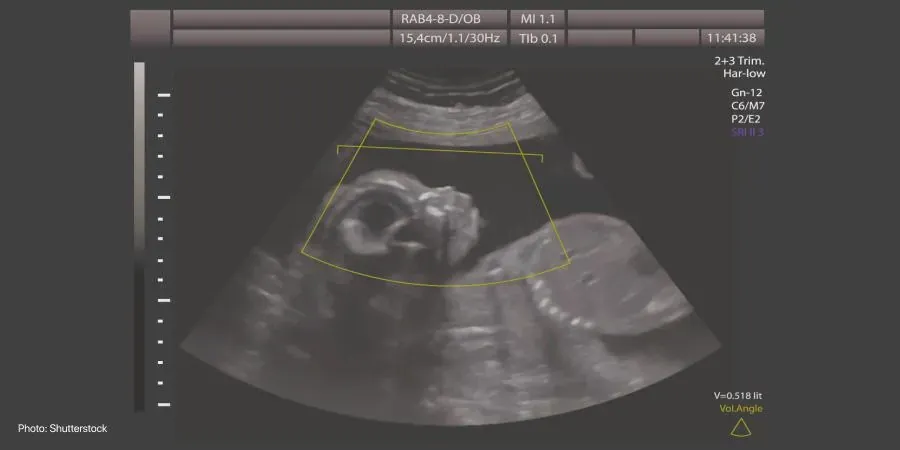
What you need to know is that your actions can do little to shape the likelihood of miscarriage. In the first trimester, the development of the embryo follows steps of development that have been perfected in humans for millennia. Miscarriages are most often due to genetic problems, such as unwanted mutations in the fusion of the sperm and egg. You cannot influence this process in any way. If this happens, there is no one to blame [1].