EN
try amma today
It’s good to be moody!
Pregnancy

It’s good to be moody!

3 min readWeek 6
Key takeaways
3 min
  • Understand that pregnancy mood swings are caused by both hormonal changes and pregnancy-related stress, making them completely normal and inevitable.
  • Embrace emotional release as beneficial - scientific research shows that expressing emotions has positive effects on your physical health.
  • Communicate openly with your partner and loved ones about your feelings, explaining that you cannot always control your emotions during pregnancy.
  • Practice physical affection like hugging, which scientifically lowers blood pressure and reduces stress hormones in your blood.
  • Focus on present-moment activities like meditation, painting, or dancing to reduce anxiety and manage sudden negative emotions.

Pregnancy mood swings are beneficial because emotional release has proven positive health effects. Research shows that expressing emotions naturally relieves stress and nervous tension, making these hormonal and stress-induced emotional changes actually good for expectant mothers' wellbeing.

amma app

Track your pregnancy in the app

Personalized content for your pregnancy week

Download App

There are an endless number of jokes about a pregnant woman’s moods, and yet mood swings aren’t a laughing matter.

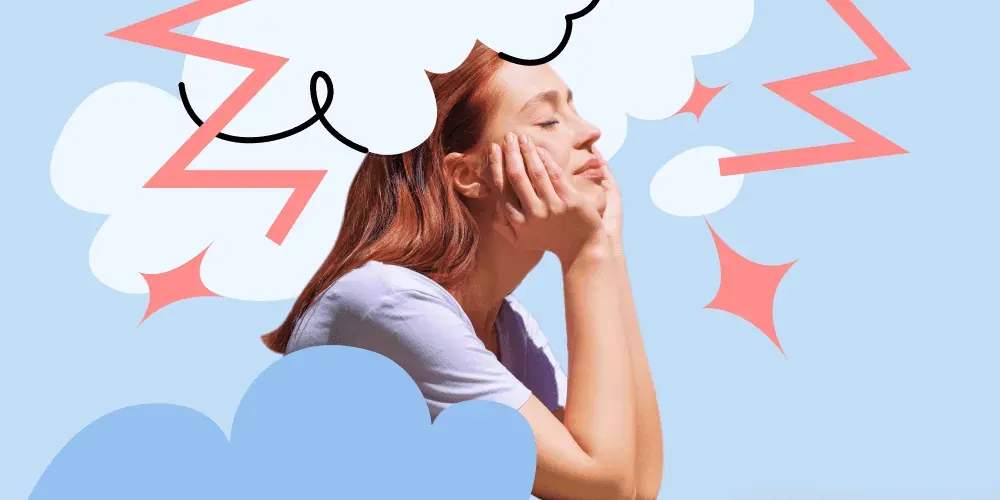
Everyone knows that mood swings are caused by the influx of hormones during pregnancy. These hormones — necessary for a child's development — have, shall we say, side effects. They can provoke anxiety, tears or anger [1, 2]. But you shouldn't blame everything on hormones. During pregnancy, one of the main sources of stress is the amount of unknowns [3, 4, 5]. Everything changes so quickly and you have a lot of thoughts on your mind — the health of the child, the upcoming birth, changes in your body, or financial issues. These concerns can spill out in the form of breakdowns and outbursts.

And these outbursts are beneficial. Numerous experiments, including one conducted by the well-known biologist Robert Sapolsky, have proven that emotional release has a positive effect on health [6, 7, 8]. Therefore, it’s important to understand the inevitability of mood swings, at least in the first trimester, until the hormonal storms subside. It’s also a good idea to relieve nervous tension. Here are positive ways to do so:

Talk to loved ones

The best thing you can do is talk to your partner and loved ones. Tell them how you are feeling. Explain to them that you cannot always control your emotions. It’s also a good idea to tell them you love and appreciate them — even if they are on the receiving end of one of your mood swings.

In times of stress, a warm conversation helps to release tension and relax [9, 10]. Your partner will also benefit from having the space to share their feelings. If your partner isn’t great at diving into their emotions, asking a question as simple as "What are you feeling now?" can help them open up. It’s a good idea to create a calm and relaxing space when having a heart to heart so that no one perceives worries are perceived as insults [11].

Hug

The touch of loved ones can significantly improve your well-being. Scientific research suggests that hugging, petting, and other forms of affection lower blood pressure and decrease the amount of stress hormones in the blood [12, 13]. Tell your partner that now you need more tenderness, affection and attention. Kiss, hug, and spend more time together. This is a good way to deal with sudden, negative emotions.

Stay here and now

Take time to do enjoyable activities that absorb attention. This can be meditation, painting, dancing, or anything creative. When your thoughts are completely occupied with what is happening in the moment, there will be no room for anxiety in your head [11].

Relax

Emotional swings will be less dramatic if you get enough sleep and get more rest. If possible, do not burden yourself with unnecessary things and arrange a quiet hour in the afternoon [14].
Frequently asked questions

Yes, mood swings during pregnancy are completely normal and inevitable, especially in the first trimester. They're caused by hormonal changes necessary for your baby's development and pregnancy-related stress about unknowns like your baby's health and upcoming birth.

Research by biologist Robert Sapolsky and other studies prove that emotional release has positive effects on your health. Expressing your emotions through mood swings helps relieve nervous tension and stress naturally.

Talk openly with your partner about your feelings, increase physical affection like hugging, engage in present-moment activities like meditation or creative hobbies, and prioritize rest and sleep. These methods are scientifically proven to reduce stress hormones.

Mood swings are most intense during the first trimester when hormonal changes are at their peak. They typically begin to subside as hormonal storms calm down after the first trimester.

No, while hormones play a major role, pregnancy stress from unknowns like financial concerns, body changes, and birth anxiety also contribute significantly to mood swings. Both factors work together to create emotional fluctuations.

Medical Disclaimer

This article is for informational purposes only and is not a substitute for professional medical advice, diagnosis, or treatment. Always seek the advice of your physician or qualified health provider with any questions you may have regarding a medical condition.

Meet our medical experts

Medically reviewed content

Reviewed by healthcare professionals · Updated March 25, 2025

Track your pregnancy on the go

Rated 4.8417,594 reviews