EN
try amma today
How to deal with heartburn
Pregnancy

How to deal with heartburn

2 min readWeek 18
Key takeaways
2 min
  • Stay upright for at least 30 minutes after eating and prop your head up with extra pillows while sleeping to prevent stomach acid from rising.
  • Eat smaller, more frequent meals throughout the day instead of three large meals to reduce stomach pressure and acid production.
  • Avoid trigger foods like spicy, fatty foods and coffee while wearing loose-fitting clothes that don't compress your stomach area.
  • Drink alkaline mineral water with hydrocarbons - at least 1.5 liters daily - to help neutralize stomach acid and reduce burning sensations.
  • Consult your doctor before taking any medications, even over-the-counter options, to ensure safe treatment during your healthy pregnancy.

To deal with pregnancy heartburn, stay upright after eating, sleep with your head elevated, eat smaller frequent meals, wear loose clothing, and avoid spicy or fatty foods. Drink alkaline mineral water and consult your doctor before taking any medications for safe relief.

amma app

Track your pregnancy in the app

Personalized content for your pregnancy week

Download App

How to deal with heartburn

In the second trimester, about 20% of pregnant women experience heartburn; in the third trimester, about 80%. The growing level of progesterone is to blame: It weakens the valve between the stomach and esophagus, and if the enlarged uterus is pressed slightly from below, the acid from the stomach is allowed back up into the esophagus, causing unpleasant symptoms.

The best thing you can do in this situation is to neutralize the factors that contribute to the upward movement of acid:

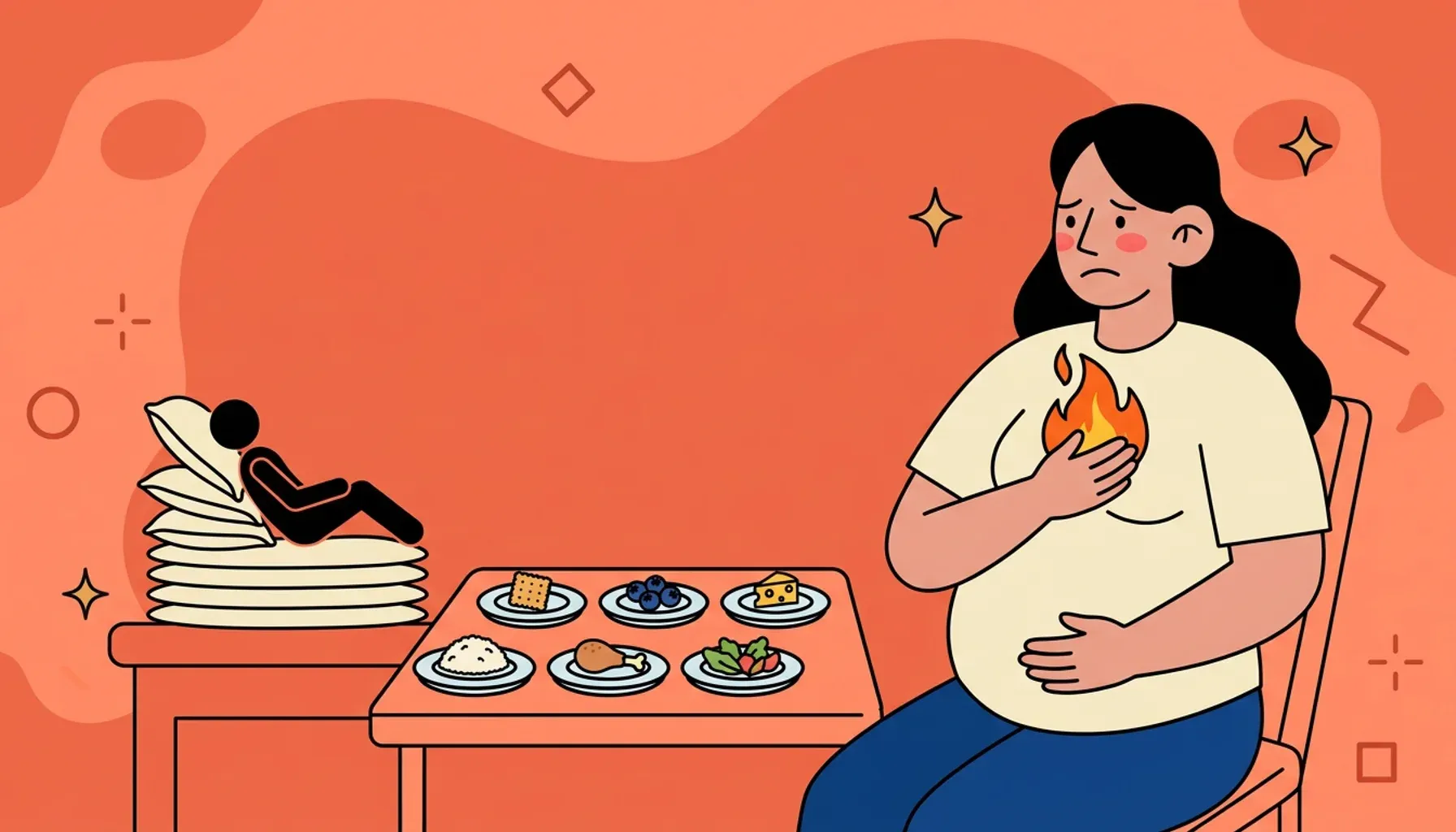
  • Keep upright after eating. Do not go to sleep right away. Staying upright will help keep the acid down. You may prop your head up with an extra pillow at night so that heartburn does not cause you discomfort [1].

  • Switch to loose clothing that does not put pressure on the stomach.

  • Adhere to a fractional diet, eating small meals or snacks six to seven times a day instead of three larger meals so that your stomach doesn’t have to work to digest too much food at one time [1].

Changing the type of food you eat can partially reduce the acidity in your stomach but will not prevent reflux into the esophagus. Doctors traditionally recommend giving up alcohol and smoking for the health of your baby, and they also suggest you avoid fatty and spicy foods and coffee to help prevent acid reflux [2]. Doing so may not fully relieve heartburn, but it will make the symptoms less painful. According to some reports, alkaline mineral water with hydrocarbons can reduce the burning sensation, so you could try drinking at least 1.5 liters per day [3].

In general, heartburn is not dangerous and is considered one of the features of a normal pregnancy [2]. However, if it greatly affects your quality of life, then taking medication (even over-the-counter medication) should be discussed with your doctor.


Frequently asked questions

Heartburn affects about 20% of women in the second trimester and increases to 80% in the third trimester. Rising progesterone levels and pressure from the growing uterus cause stomach acid to flow back into the esophagus.

Avoid fatty foods, spicy dishes, coffee, alcohol, and large meals. Instead, eat smaller, frequent meals and consider drinking alkaline mineral water to help neutralize stomach acid.

Pregnancy heartburn is generally not dangerous and is considered a normal part of pregnancy. However, if symptoms severely impact your quality of life, consult your doctor about safe treatment options.

Sleep with your head elevated using extra pillows to keep stomach acid from rising into your esophagus. Staying upright after meals for at least 30 minutes also helps prevent acid reflux.

Medical Disclaimer

This article is for informational purposes only and is not a substitute for professional medical advice, diagnosis, or treatment. Always seek the advice of your physician or qualified health provider with any questions you may have regarding a medical condition.

Meet our medical experts

Medically reviewed content

Reviewed by healthcare professionals · Updated June 1, 2025

Track your pregnancy on the go

Rated 4.8417,594 reviews